


Abakada.org: How One OFW Software Developer Is Closing the Digital Divide for Filipino Students
Words by Mye Mulingtapang | Photos courtesy of Abakada.org
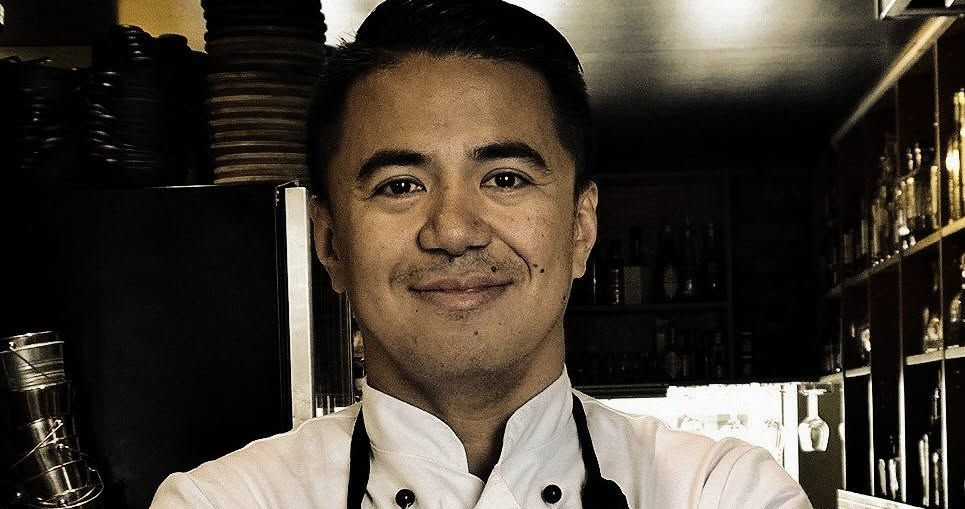
What began as a personal frustration for Ramon Logan Jr. has evolved into Abakada.org, a growing platform that curates free and open-source software for Filipino students and educators. With more than 3,200 visitors to date, the initiative is proving that access to technology does not have to come with a price tag.
At its core, Abakada.org asks a simple question: What could Filipino students achieve if cost was no longer an obstacle?

A Personal Response to an Unequal Digital Landscape
The idea for Abakada.org did not emerge from a corporate boardroom or a government initiative. It came from lived experience.
As a software developer who works daily with premium digital tools, its founder constantly encounters technologies that make learning, designing, writing, and building easier. Yet every time he thought about his hometowns of Solano in Nueva Vizcaya and Cuenca in Batangas, he was reminded of a very different reality.
"The students there have the drive," he says. "What they do not have is the money for expensive software subscriptions or the data to run them."
In many parts of the Philippines, a student's potential is often determined not by talent or determination but by something far more ordinary: whether they can afford a software subscription.
For thousands of Filipino students, accessing essential digital tools remains an invisible barrier to education. Expensive monthly fees, outdated computers, unstable internet connections, and the prevalence of pirated software continue to shape how young Filipinos learn and create.
For one overseas Filipino worker in Abu Dhabi, that reality became impossible to ignore.
That gap felt deeply personal because he had experienced it himself.
Instead of accepting that limitation as inevitable, he decided to remove it.
"I started curating lightweight, free, and open-source software so any student could learn and create without a paywall standing in the way."

An OFW Perspective on Educational Equit
Living abroad has given him a unique vantage point. Working in Abu Dhabi means having access to world-class technology every day, an experience that only amplifies the disparities he sees back home.
"Talaga pong napakalayo ng agwat," he says.
Distance, however, has not diminished his sense of responsibility.
"I feel responsible for that gap, not removed from it."
His mission is rooted in a belief that access to educational technology should not depend on geography or economic privilege.
"I refuse to let a paywall decide a student's future. They deserve the same shot at building something that I was lucky enough to get."
For many overseas Filipinos, supporting family members often means sending financial remittances. Abakada.org represents a different kind of contribution: a digital remittance that invests in future generations.
When Potential Is Limited by Affordability
The barriers Filipino students face begin long before they enter the workforce.
According to the Logan Jr., many students encounter obstacles before they even start learning.
"Most of the software industry runs on recurring subscriptions, and those prices are simply out of reach for an ordinary family."
The problem extends beyond software licenses. Many educational applications demand powerful computers and stable internet connections that are often unavailable in provincial communities.
"So you end up with bright, hardworking students held back by a price tag and a slow loading screen instead of any lack of talent."
He believes this creates an unfair system that equates opportunity with purchasing power.
"We are basically telling the next generation that their potential stops at whatever they can afford to download."
How Abakada.org Curates Free Software
The philosophy behind Abakada.org is practical rather than aspirational. Every tool included on the platform undergoes two important tests.
"I look at two things: friction and value."
The software must run smoothly on older computers and slower internet connections. More importantly, it must be genuinely free.
"No hidden paywalls. No trials that expire on you."
But the platform also serves another purpose.
"This platform is really a tribute to open-source developers around the world."
These are programmers who spend countless hours creating world-class software and then choose to give it away.
"By featuring their work, I want to amplify that generosity."
More importantly, he hopes Filipino students understand they are not alone.
"There is a global community rooting for them and handing them the keys.We are basically telling the next generation that their potential stops at whatever they can afford to download."

Challenging the Myth That Free Means Inferior
One of the biggest misconceptions surrounding open-source software is the assumption that free automatically means lower quality. That misconception, he says, drives many students toward unsafe alternatives.
"A lot of students will actually risk downloading cracked, pirated versions of premium software because they assume the open-source alternative cannot keep up."
As a developer himself, he rejects that notion outright.
"Open source is not the second-best option."
Instead, he describes it as a collaborative ecosystem built by talented developers who intentionally share their work so others can learn.
"I want our students to stop depending on unsafe pirated files just to get by."
He believes legitimate alternatives already exist.
"There is a legitimate, powerful ecosystem waiting for them, and it gives them everything they need to build their future on their own terms."
Small Victories That Create Big Impact
While visitor statistics are encouraging, the founder says the numbers only tell part of the story. The most meaningful moments come from conversations with teachers and students whose experiences have changed.
"One IT instructor told me his class could actually finish their projects because the tools we curated ran smoothly on their old school computers."
The instructor now directs students to Abakada.org instead of allowing them to download pirated software.
"Knowing that one simple link opened up a whole classroom is exactly why I built this."
He has learned an important lesson through these interactions.
"When you take away the money problem, raw Filipino talent shows up on its own."
Building Skills Beyond the Classroom
Open source takes that natural Filipino resourcefulness and turns it into a real professional skill.
The value of open-source software extends beyond affordability.
According to the founder, it teaches adaptability, a skill increasingly valued in the global workforce.
Students become active problem-solvers rather than passive consumers.
"When students run these tools on older laptops, they learn to troubleshoot and fix actual problems instead of just leaning on a cracked app."
He argues that modern employers are not searching for graduates who know a single branded software package.
"The global tech industry is not looking for someone who memorized one expensive program. It wants people who can adapt."
That adaptability builds confidence.
"Open source trains our students to be resilient, and that gives them the confidence to graduate and compete anywhere in the world."
A Shared Responsibility
While Abakada.org offers one solution, he believes larger institutions must also take action.
"This has to be a shared effort."
He calls on educational agencies to rethink their expectations.
"DepEd and CHED should stop quietly making expensive software a requirement just to pass a subject."
Schools, he says, should focus on teaching skills rather than brand loyalty.
"Students should learn the real skill and not just a brand name."
He also urges government agencies to expand internet access in underserved communities.
"DICT needs to push reliable internet deeper into the provinces and openly back free platforms for our public school teachers."
Technology companies also have a role to play.
"They need to build lighter tools that actually run on older laptops instead of assuming everyone owns high-end gear."
Ultimately, he believes digital access should be viewed as a fundamental right.
"The day we treat digital access as a basic right is the day every Filipino student gets a fair shot at the global stage."
Looking Ahead: Building a National Learning Community
The future of Abakada.org extends far beyond being a directory of applications.
The founder envisions a collaborative ecosystem where students, teachers, and professionals can learn together.
"In five years, I want it to be the bridge that connects even our most remote schools to the global open-source community."
He also hopes to create opportunities for mentorship and project-based learning.
"I picture a space where students learn to build their own projects through shared tutorials and mentorship from our local tech community."
His long-term mission remains straightforward.
"I want to reach a point where no student in the Philippines ever has to choose between pirated software and falling behind in class."
The solution, he says, is not complicated.
"Give them the right access, and they will show the world exactly what Filipino talent can do."

Comments