


Filipino Bakery in Milan: How Romeo Mendoza Turned Bread Into a Lifeline for Overseas Filipinos
Words and Photos by Mye Mulingtapang

In a city shaped by espresso bars, artisan focaccia, and generations of Italian baking tradition, the smell of freshly baked pandesal rises quietly before dawn from a Filipino bakery in Milan.
Long before the first train arrives and before office workers fill the streets, Filipinos begin lining up for something deceptively simple: bread that tastes like home.
Pandesal. Hopia. Ensaymada. Pan de coco. Pudding.
For many overseas Filipinos, these are not merely products behind glass shelves. They are edible memories. A return ticket to childhood kitchens, early morning breakfasts, sari-sari stores, school recesses, and provinces left behind years ago.
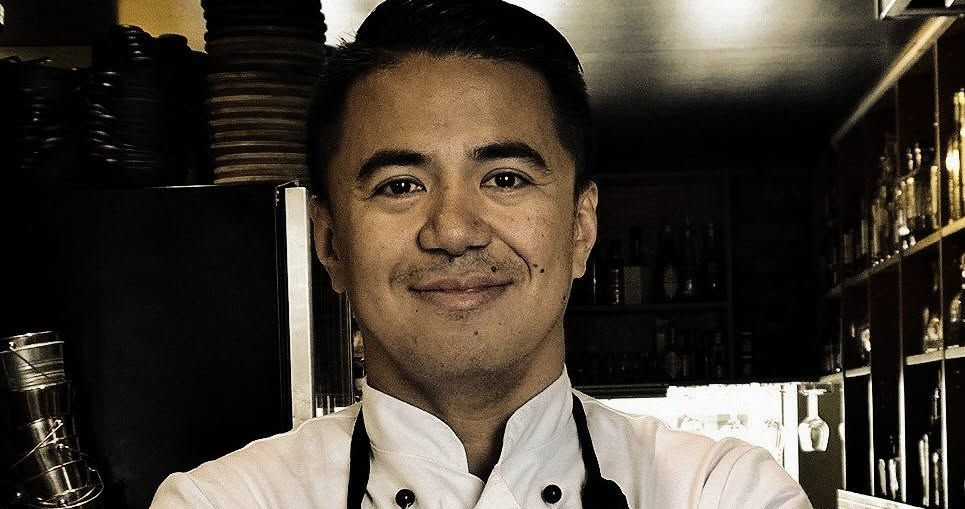
At the center of this quiet phenomenon is Romeo Mendoza — known to many simply as Kuya Romeo — a baker whose story mirrors the difficult, unglamorous, deeply human journey of many Filipinos abroad.
From washing dishes and sleeping inside workplaces to building four thriving stores in Milan, Romeo transformed bread into something larger than business: trust, memory, and community.
What began as a small bakery built on homesickness slowly evolved into a lifeline for a diaspora searching for familiarity in a foreign city. Inside Romeo’s stores, bread became more than food — it became proof that even after years abroad, some parts of home can still survive intact.
"Sabik sila sa tinapay natin."
The Filipino baker who started with nothing
Before Milan, before the stores, before the success, there was uncertainty.
Romeo arrived in Italy in the early 2000s after years of working in the Philippines and aboard a ship. Born into humble beginnings, he first learned baking not in culinary school, but through experience. In 1979, he worked as a helper in Laguna, slowly absorbing the craft through observation, repetition, and survival.
He had no formal culinary education.
What he had was instinct, discipline, and years of touching dough with his hands.
By 1988, he managed to build his own bakery in the Philippines. But life abroad called. In 2000, he left for work on a ship, carrying with him decades of practical baking knowledge and the restless ambition shared by many Filipinos forced to leave home.
"Nagtrabaho ako kahit saan basta may pagkakataon."
His journey in Italy did not begin in comfort.
In Civitavecchia, he jumped off a ship and took a train to Rome in September 2006, chasing opportunity with little certainty about what would happen next. He found immediate work in a kitchen making bread inside a private home. For a year, he survived by selling baked goods while navigating the realities familiar to undocumented migrants.
At one point, he had to leave after being discovered by authorities. There were periods of instability. Venice for six months. Then Milan in 2008.
No guarantees. No safety net. Only work.
Like many undocumented migrants during that period, Romeo lived in constant uncertainty — moving from city to city, accepting whatever work was available, and learning to survive without stability. Every new place meant starting over again: new employers, new risks, new fears of being caught, and the exhausting pressure of proving his worth through labor alone.
Building a bakery from homesickness
Romeo understood something many businesses fail to recognize: overseas Filipinos were hungry not only for food, but for emotional familiarity.
“Nakita ko yung kasabikan ng mga kapwa OFW,” he recalls. “Kapag nakakakita sila ng tinapay natin, sabik sila.”
He noticed how even the simplest bread triggered emotion. A piece of pandesal could collapse ten years of distance. A hopia could resurrect childhood. An ensaymada could briefly erase loneliness.
“Pwedeng simpleng tinapay lang,” Romeo says. “Pero pag nakita nila, sasabihin nila, ‘Sampung taon ko na itong hindi natitikman.’ Naalala nila yung nakaraan nila.”
That emotional connection became the foundation of his bakery. And Milan responded.
Despite the dominance of Italian bakeries across the city, Filipinos flocked to his store early in the morning for warm pandesal and familiar flavours rarely found abroad. Over time, Italians began discovering the products too, drawn by the softness, sweetness, and uniqueness of Filipino bread culture. The bakery became more than a commercial space.
Freshly baked Filipino pandesal arranged on an ornate gold tray Puding from Baker's Place Tinapayan in Milan
It became a gathering point for workers, caregivers, seafarers, families, and migrants trying to survive Europe without losing themselves in the process.
The long cost of survival
Romeo carried debt. At one point, he owed around €15,000 borrowed from different people just to keep operations alive. Rent was expensive. Equipment was costly. Labor was limited.
“Walang malaking puhunan. Uupahan lahat.”
There were moments he nearly collapsed under the pressure.
A Sri Lankan acquaintance eventually helped him secure and sustain a location that would later become one of the foundations of the business. The former bakery space near Ca’ Granda slowly evolved into something larger.
By 2016, after years in Italy, Romeo finally obtained legal documents through amnesty pathways connected to the Berlusconi-era regularization process and with the help of an Italian employer who processed his papers. Legality changed everything.
It allowed him to think beyond survival. For a period between 2018 and 2022, he attempted to expand further into the restaurant business. But the demands became impossible to balance.
Bread remained his real language. So he focused on growth through bakery distribution and punto vendita locations instead. Eventually, the business expanded into four stores across Milan — built not from investors or inherited wealth, but from decades of labor, loans, risk, and relentless repetition.
Bread as a Filipino archive
Inside Romeo’s bakery, customers do not simply buy products. They narrate their lives.
One OFW smiles while holding pandesal and ensaymada, describing them as staples of Filipino breakfast culture. Another insists the flavors are “Pilipinong Pilipino” — unmistakably authentic. A woman searching specifically for hopiang sibuyas says she looks for Filipino products when she misses home.
These are not casual transactions. They are acts of cultural preservation.
Diaspora communities survive through rituals: language, music, gatherings, recipes, smells. Bread, in Romeo’s bakery, functions almost like an archive of migration itself — proof that identity can survive even after oceans, papers, borders, and decades abroad.
And perhaps that is why the bakery matters. Not because pandesal is rare. But because comfort is.
The quiet dignity behind the shelves
There is nothing performative about Mendoza. No polished entrepreneurial mythology. No startup language. No curated immigrant success narrative. Only work.
The kind measured in sleepless mornings, burnt hands, rising dough, unpaid debts, missed holidays, and years spent building stability one tray at a time.
Behind every shelf of bread in Milan is the story of a Filipino worker who refused to disappear.
And behind every customer returning for pandesal is the deeper truth many migrants understand too well: sometimes survival begins with finding something familiar enough to remind you who you were before you left home.
Beyond Bread: Building a future for other Filipinos
Now, after decades of sacrifice, Romeo hopes the next chapter of his journey will no longer be only about expanding stores, but about opening doors for other Filipinos. He dreams of teaching fellow OFWs the craft that carried him through hardship — not simply how to bake bread, but how to build something of their own with dignity, patience, and courage.
Because for many migrants, the hardest part is not the work itself, but the feeling of remaining trapped in survival for years without a path forward. Romeo wants other Filipinos to see that even a skill learned through struggle can become a business, a livelihood, and eventually a legacy.
In every tray of dough he now prepares, there is also a quiet message to overseas workers around the world: your sacrifices do not have to end with survival alone. Sometimes, they can rise into something that feeds an entire community after you.


Comments