


Filipino Ube Products in Europe: How Rhea Topacio Built a Filipino Food Movement in Europe
- Feb 23
- 5 min read
Updated: Jun 11
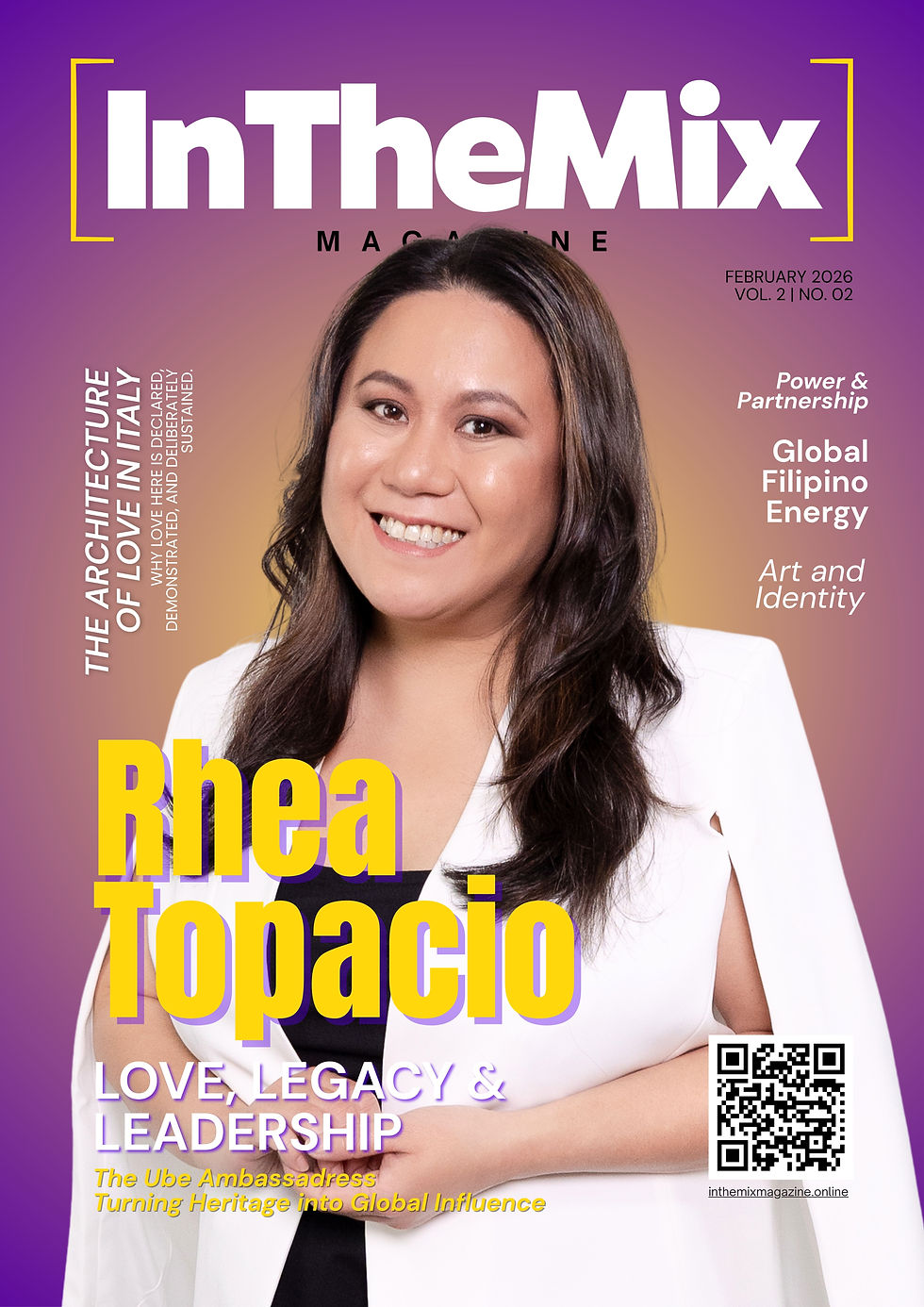
“Painting Europe purple.”
Words by Mye Mulingtapang
Photos courtesy of LHR Photography and Rhea Topacio
What is ube?
Ube, the vibrant purple yam from the Philippines, is rapidly gaining popularity in Europe—and Rhea Topacio is at the center of that movement. Through her work in food innovation and distribution, she is helping bring Filipino ingredients into mainstream European markets.
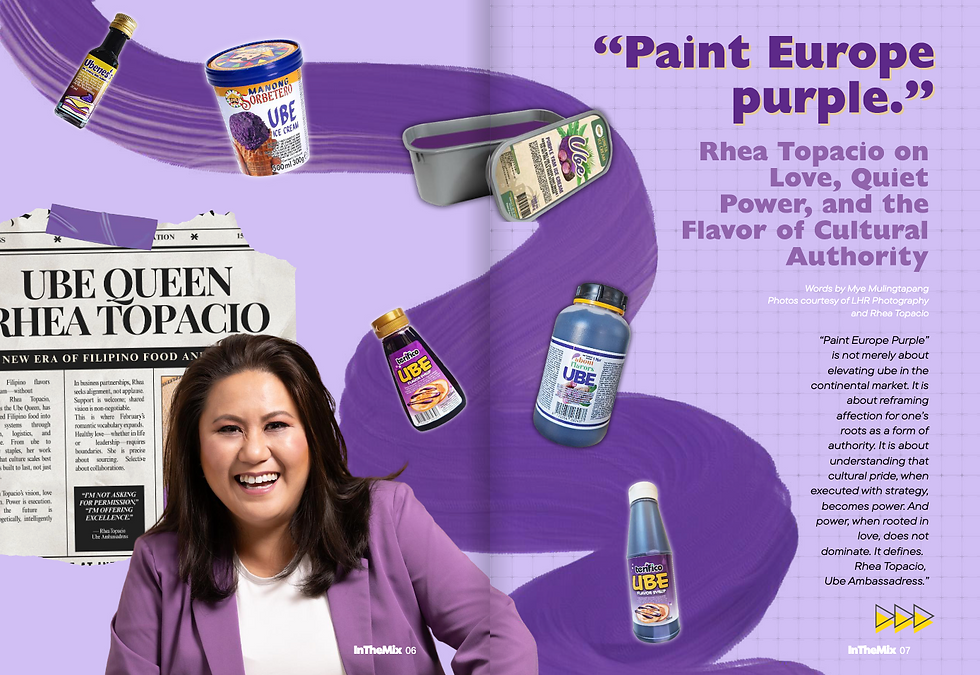
“Paint Europe Purple” is not merely about elevating ube in the continental market. It is about reframing affection for one’s roots as a form of authority. It is about understanding that cultural pride, when executed with strategy, becomes power. And power, when rooted in love, does not dominate. It defines. -Rhea Topacio, Ube Ambassadress.”
February tempts us toward spectacle—roses, declarations, and the choreography of romance. But love, in its most enduring form, is not spectacle. It is stewardship. It is what we choose to protect, amplify, and build power around.
For Rhea Topacio,
love is purple.
Not the decorative kind. The decisive kind.
Ube has always been intimate. It appears at birthday tables, Christmas gatherings, and kitchen counters where halaya is stirred with patience that borders on devotion. It is not simply dessert. It is memory made edible.
In Europe’s competitive culinary ecosystem—where aesthetics can eclipse ancestry—ube risks becoming a trend before being understood.
Rhea refuses that reduction.
She does not market purple as a novelty. She frames it as a narrative. Agricultural history. Matriarchal labor. Diaspora continuity.

“I don’t want my daughter to recognize purple as packaging,” Rhea says. “I want her to recognize it as provenance. This is our inheritance. This is the legacy I am building—on purpose.”
And there, the conversation shifts.
Who is Rhea Topacio?
Before boardrooms and trade fairs, there is home.
For Rhea, entrepreneurship is not detached from motherhood; it is sharpened by it. Her daughter watches meetings happen, samples tested, packaging debated.
She sees spreadsheets and storyboards. She hears conversations about sourcing and sustainability.
In that visibility lies intention.
Rhea understands that representation begins in proximity.
When a child witnesses her mother negotiate contracts in Europe while advocating for Filipino farmers back home, ambition becomes normalized. Cultural pride becomes practical.
This is February’s deeper love story—not romantic infatuation, but intergenerational modeling.
To paint Europe purple is also to paint her daughter’s imagination with possibility.
They began as a family of three with a modest cupcake venture—small batches sold to Dutch clients, recipes refined at their own kitchen table.
What started as practical experimentation became proof of concept.
In 2015, Dennis and Rhea formalized their ambition by launching Luneta Ice Cream™, the first Filipino ice cream brand made in Europe, with ube as a flagship flavor.
Luneta Ice Cream built visibility across Filipino cultural events in the Netherlands and Belgium, establishing community traction and brand recognition.
In 2020, amidst market challenges, they expanded their portfolio with the launch of Guapito Premium Beer™ and the first European-made Filipino flavorings under Ubeness™, solidifying broader category reach.
By 2021, Manong Sorbetero Filipino Ice Cream™ debuted—an elevated tribute to classic Filipino sorbetero street carts.
By 2022, Rhea was instrumental in launching Ube Fiesta in Germany—an event she named to establish ube as the crowning dessert of Philippine cuisine and assert it as heritage, not novelty.
Growth moved into scale in 2023 with About Flavors, developed alongside Dea Enterprise—a professional flavoring line tailored for HORECA and food service markets across Europe.
In 2024, Pamana World BV advanced further with the introduction of Terifico™ syrups, including a specialized ube format engineered for versatile application in desserts, beverages, and contemporary culinary programs.
The Discipline Behind Devotion
Being a high-performing professional in the Philippines, Rhea knew the choreography well: conference calls scheduled around school hours, travel balanced with presence and ambition, negotiated alongside intimacy.
Rhea does not romanticize this balance. She engineers it. She studies EU food compliance while ensuring bedtime rituals remain intact. She maps distribution channels while protecting weekends for family. Love, in her world, is structured. It is calendared. It is defended.
Power, then, becomes not the ability to dominate markets but the capacity to design a life where career growth does not eclipse maternal presence.

Her daughter is not peripheral to the mission. She is central to it.
“When she sees her ube products in a European café or an Asian market,” Rhea says, “I want her to understand that we didn’t wait for validation. We built it.”
Migration and Maternal Clarity
Living abroad intensifies awareness of what must be preserved.
Distance from the Philippines sharpened Rhea’s understanding of food as cultural infrastructure. What once felt ordinary became sacred.
The flavors of childhood transformed into assets worthy of strategic protection. But migration also heightens parental responsibility. In foreign environments, identity can blur. Children absorb dominant narratives quickly.
Rhea counters this gently but firmly.
At home, Filipino culture is explained. Stories accompany flavor. Geography is mapped. The Philippines, its language, culture, traditions, and flavors are not abstract—they are lived through taste, language, and ritual. Love and identity become curriculum.
Family, in Rhea’s architecture, is not merely emotional support. It is operational alignment.
She speaks of partnership not in sentimental tones, but in strategic ones. A strong family structure allows her to scale responsibly. Shared vision reduces friction. Boundaries protect energy.
Support is necessary. Alignment is non-negotiable.
In business, she chooses collaborators who respect origin. At home, she cultivates an environment where ambition is not threatening, but collaborative.
This is power exercised relationally.
It is the quiet system that keeps growth sustainable.
Cultural Sovereignty as Inheritance
Purple, historically, has symbolized royalty across Europe. In Rhea’s hands, it becomes cultural sovereignty.
When her daughter helps beside her, the gesture is both domestic and political. It is inheritance in action.
Europe tasting ube is one layer of impact. A child understanding her heritage as premium—never peripheral—is another.
Love, here, is protective. Power, here, is educational.
Redefining February
In popular imagination, February narrows love to romance. Rhea expands it.

UBEYOND
Love is protecting origin in foreign markets. Love is structuring ambition so that family does not fracture under its weight. Love is refusing to dilute identity for easier assimilation. And power? Power is entering European culinary spaces with composure and pride.
Power is ensuring Filipino entrepreneurs benefit from rising demand. Power is raising a daughter who sees her culture positioned not as trend—but as authority. To paint Europe purple is not a spectacle. It is succession planning. It is narrative control. It is economic bridge-building anchored in maternal conviction.
The Future, Purple and Intentional
Rhea’s ambition extends beyond pastries and cafés. She envisions cross-industry collaborations, hospitality concepts, curated tastings that embed Filipino ingredients within Europe’s most refined conversations.
But beneath expansion lies clarity: success must be sustainable enough for her daughter to inherit with pride.
Purple is no longer simply color. It is continuity. It is courage rendered commercial. It is a mother’s strategic love translated into market presence.
In Rhea Topacio’s world, love and power are not opposites. They are partners.
And Europe, slowly but unmistakably, is beginning to turn purple.
Where to find ube products
Filipino ingredients like ube are becoming more accessible across Europe through businesses like those led by Rhea Topacio, connecting Filipino producers to global markets.
For wholesale purchases for retail distribution in Europe (Ubeness 20ml, Manong Sorbetero 500ml, Luneta Ice Cream, Terifico 250ml), contact Beagley Copperman (Netherlands). For consumers, our products are available in various Asian and Filipino stores.
For the purchase of products for manufacturing, HORECA and other needs, send an email to hq@pamana.world or visit About Flavors for more information
For distributorship opportunities in the Middle East Asia, send an email to rhea@pamana.world



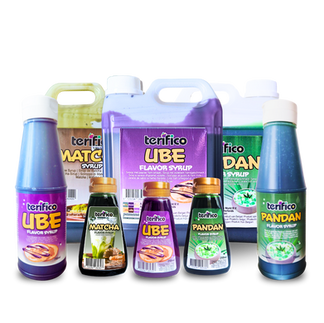

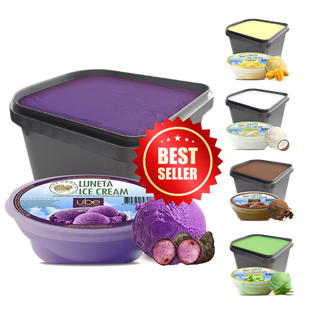





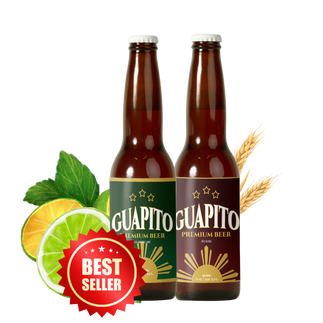
Filipino-inspired food and beverage products including ube ice cream, flavor syrups, extracts, and premium beer, showcasing best-selling items such as Luneta Ice Cream, Manong Sorbetero, Ubeness, Guapito, and Terifico for the European market.


Comments